Graphic Novels

Powerful stories that speak through art and imagination.
Visual Storytelling Without Borders

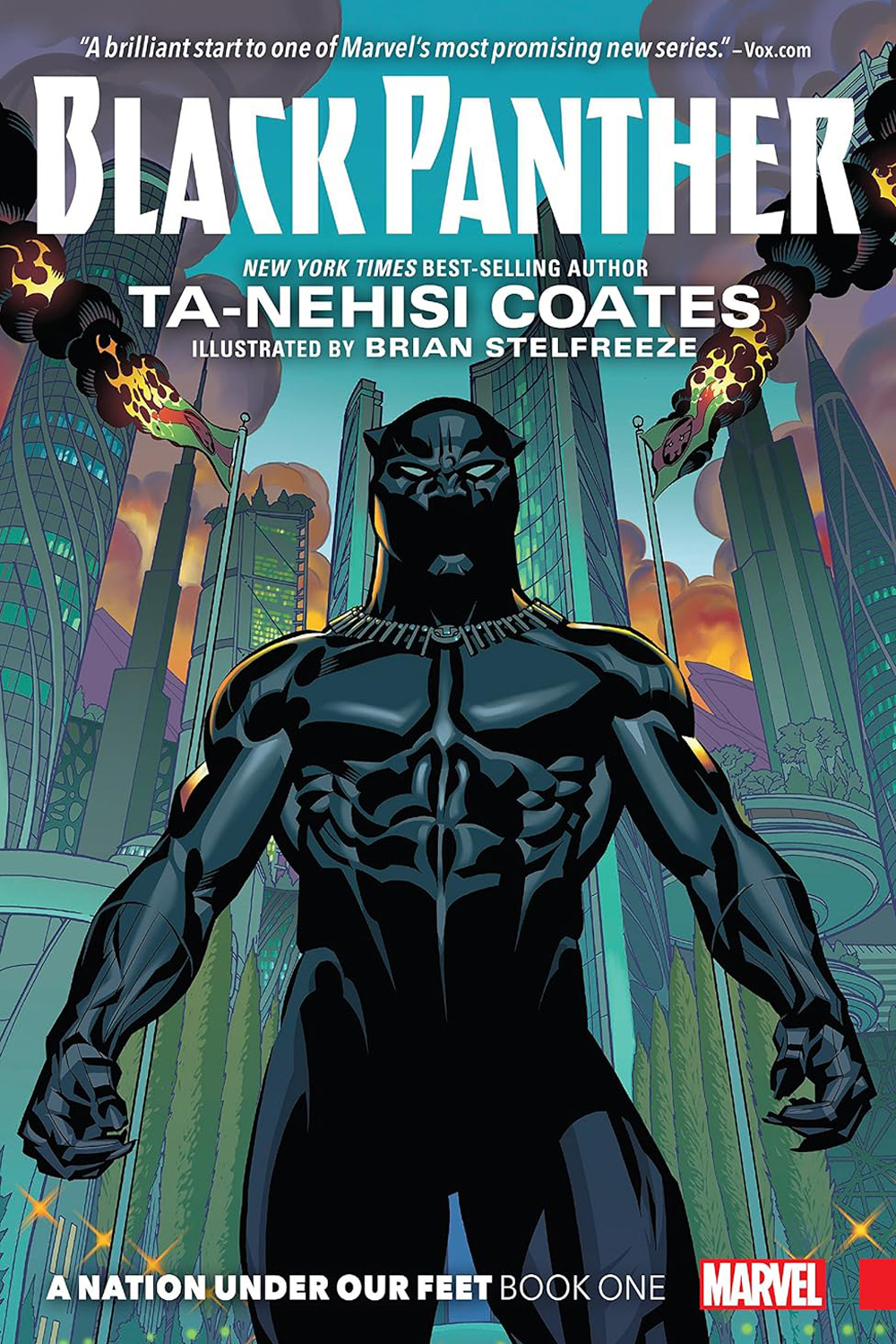
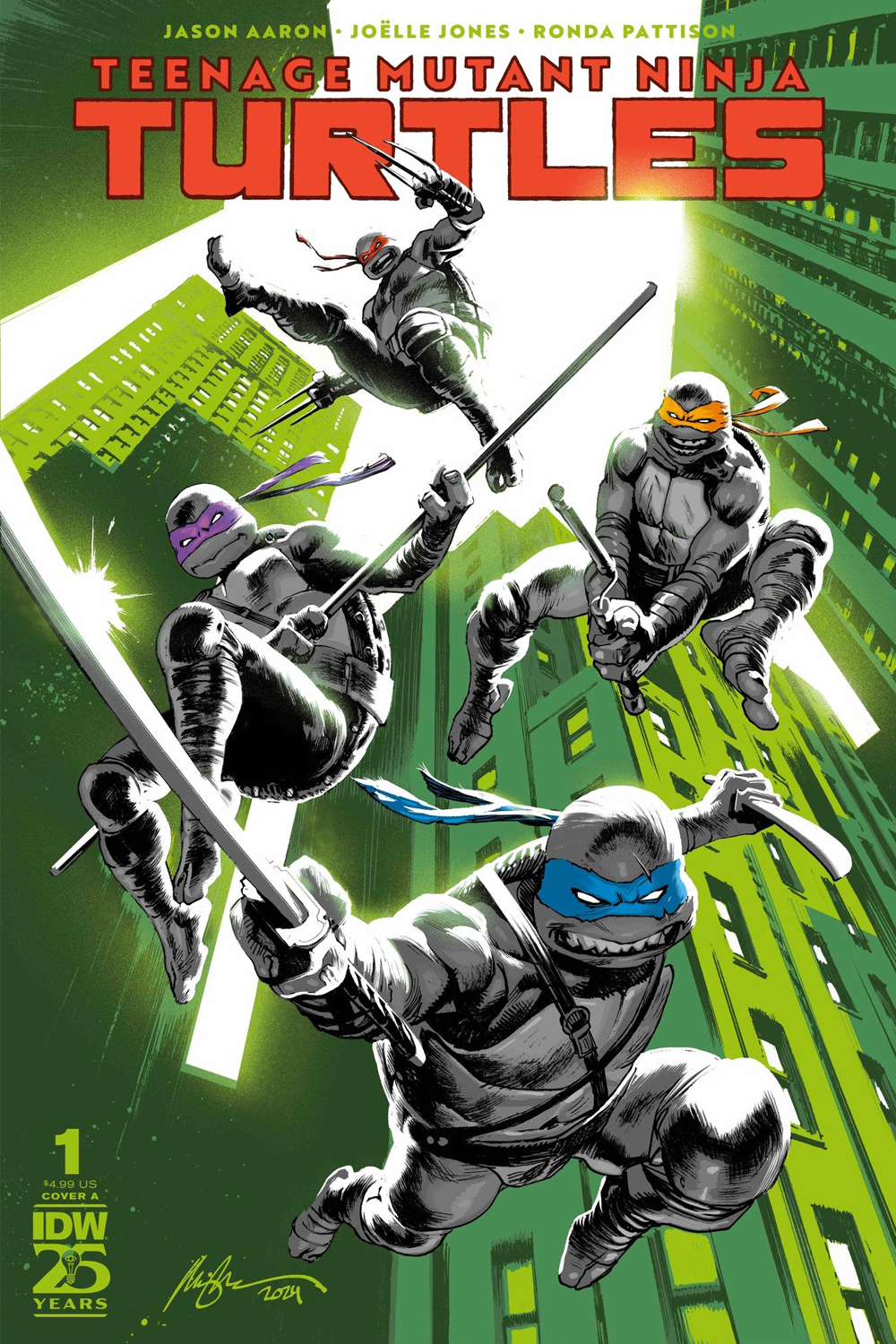
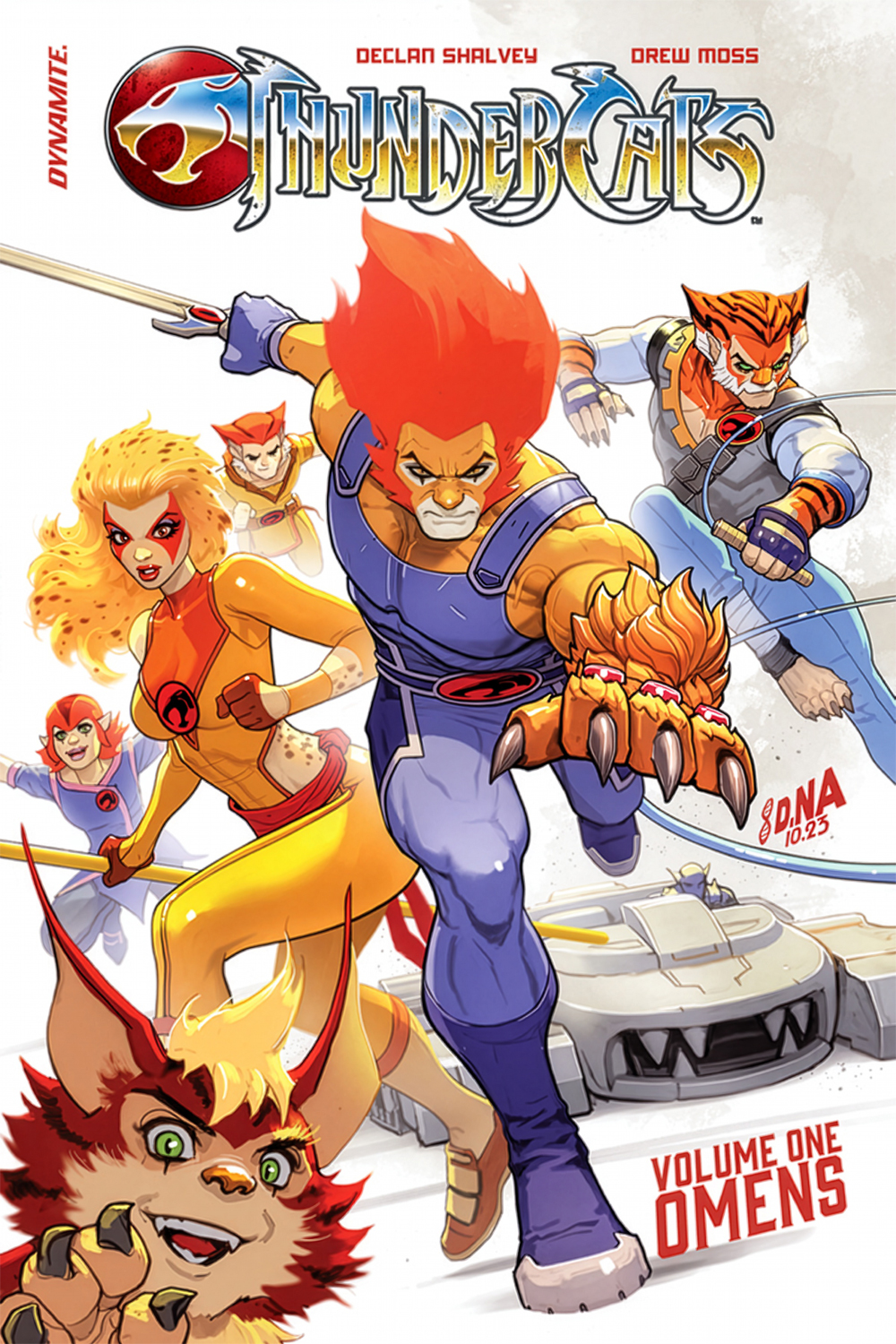
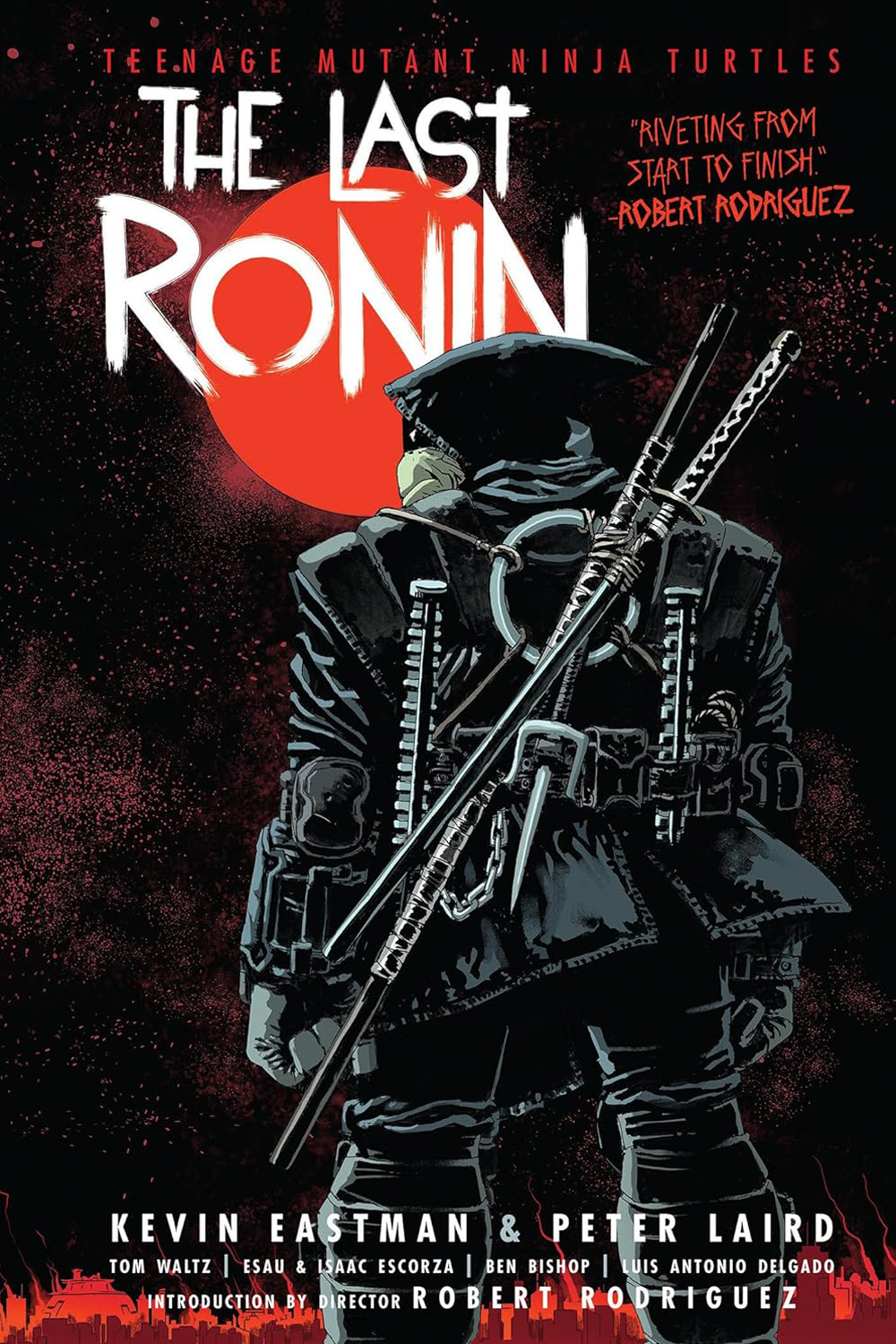
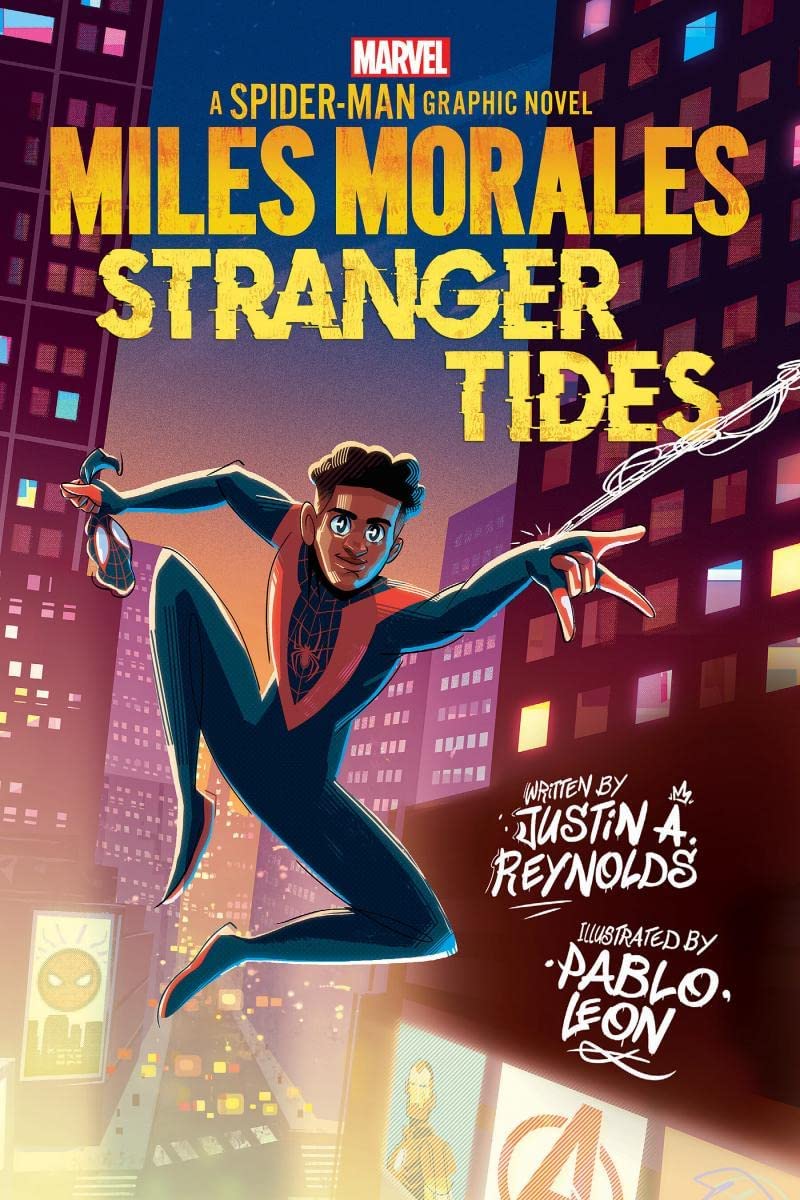
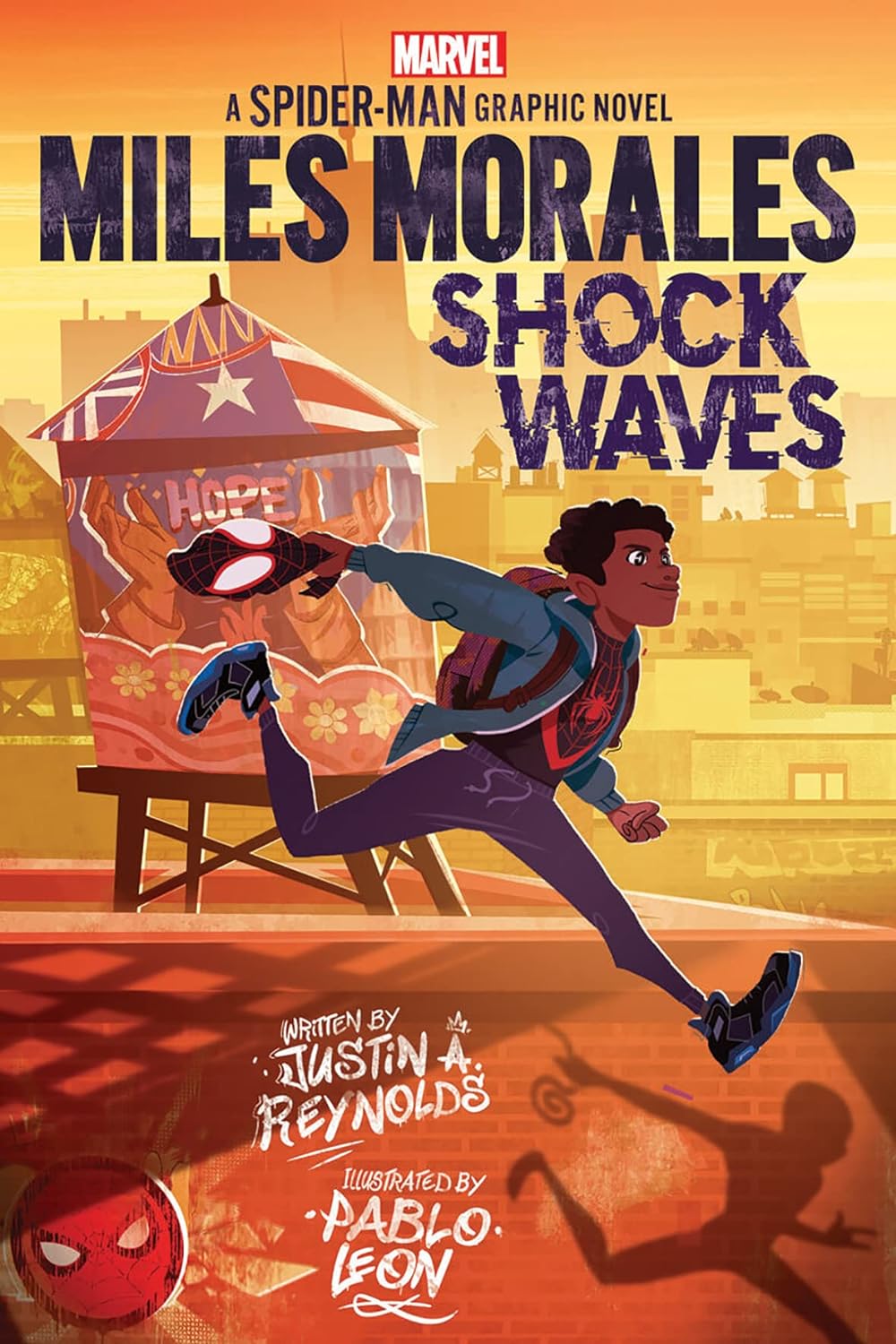
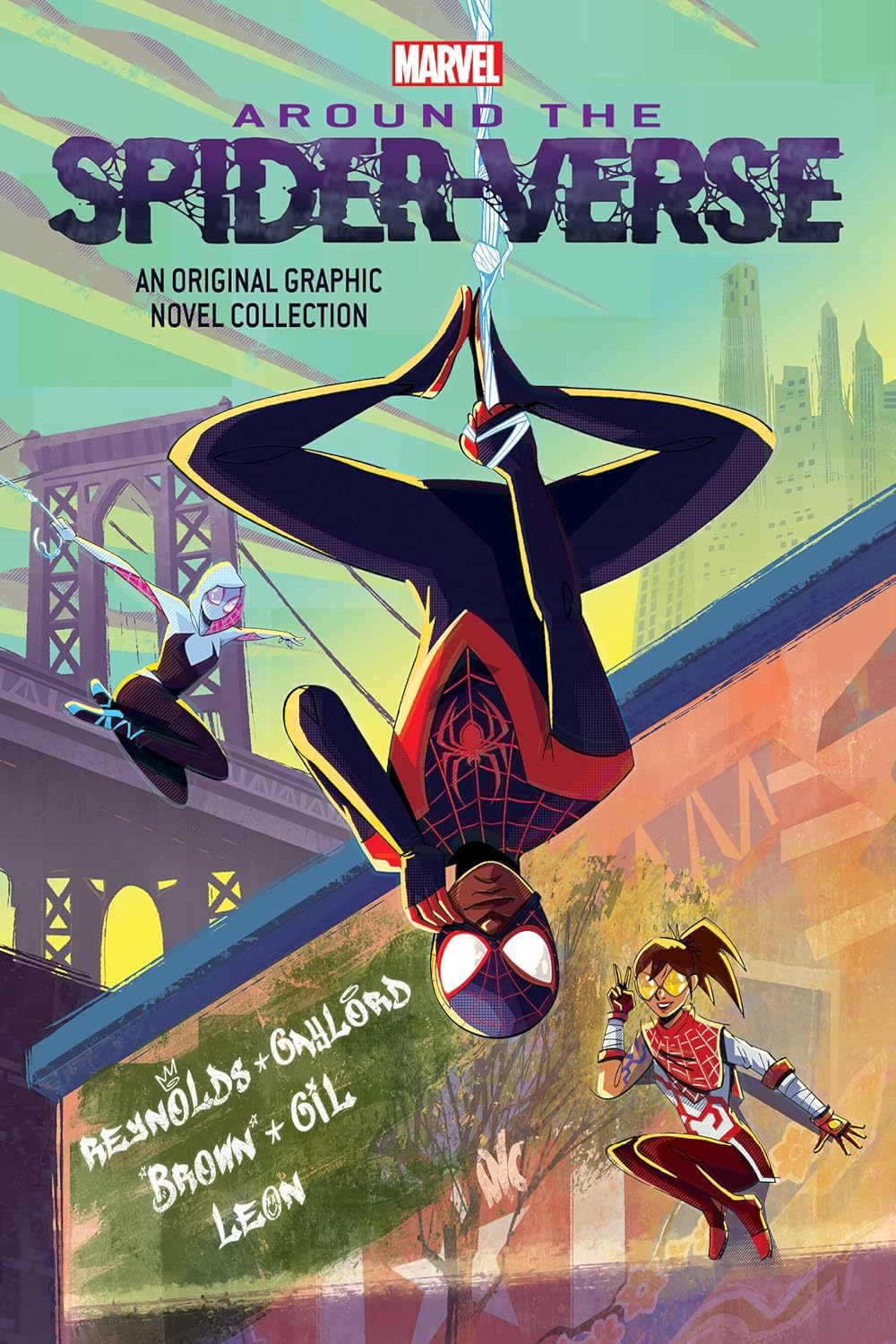
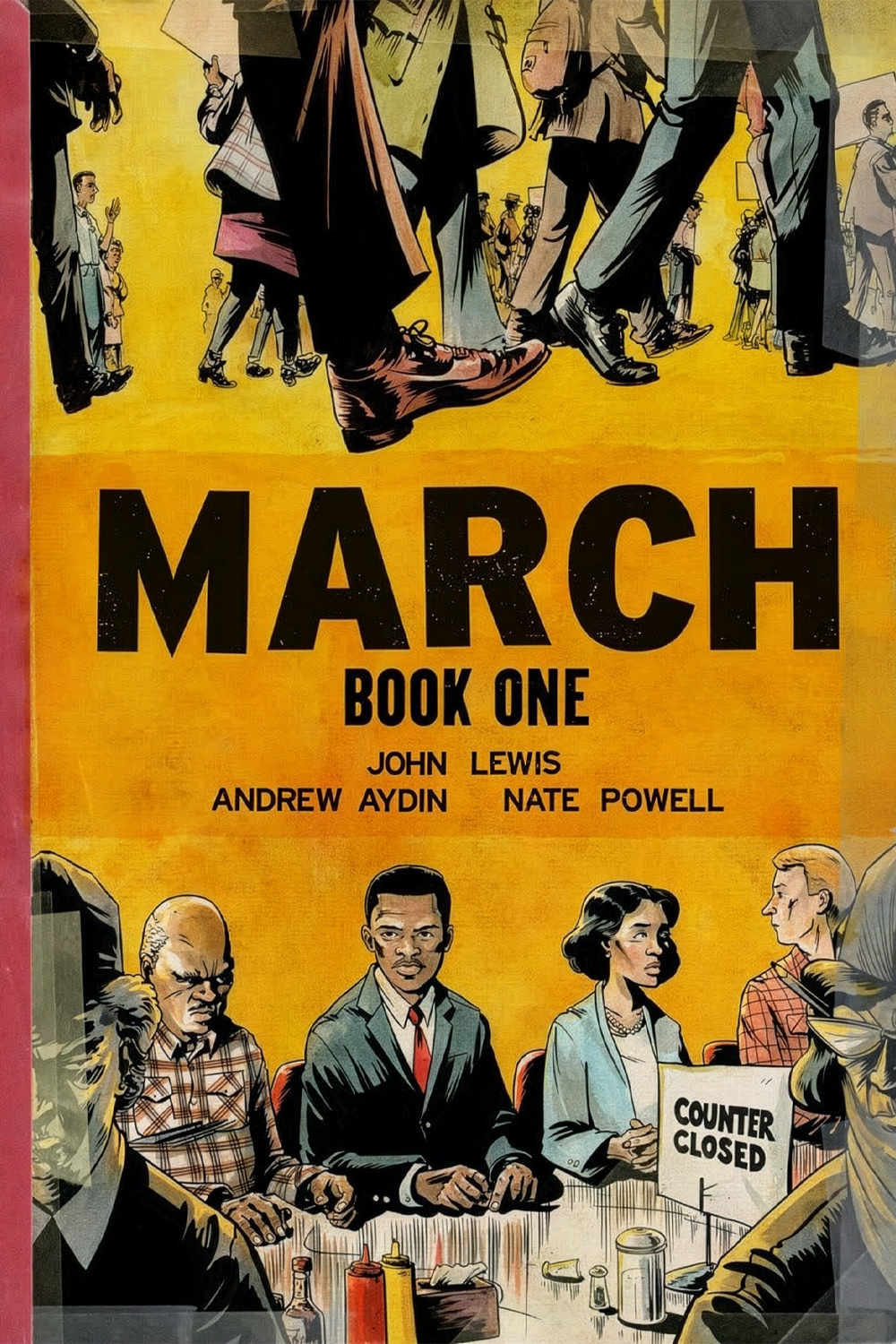
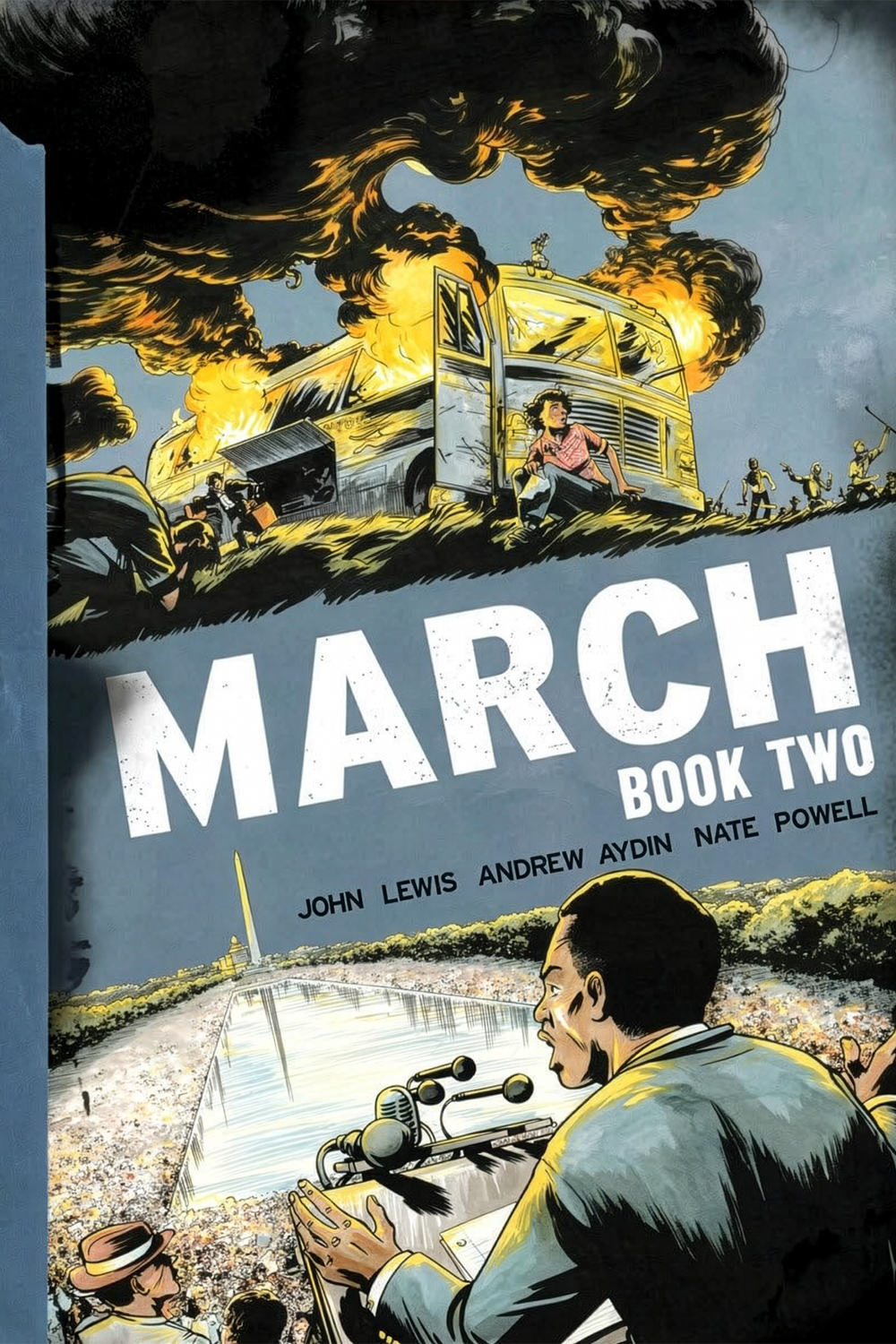
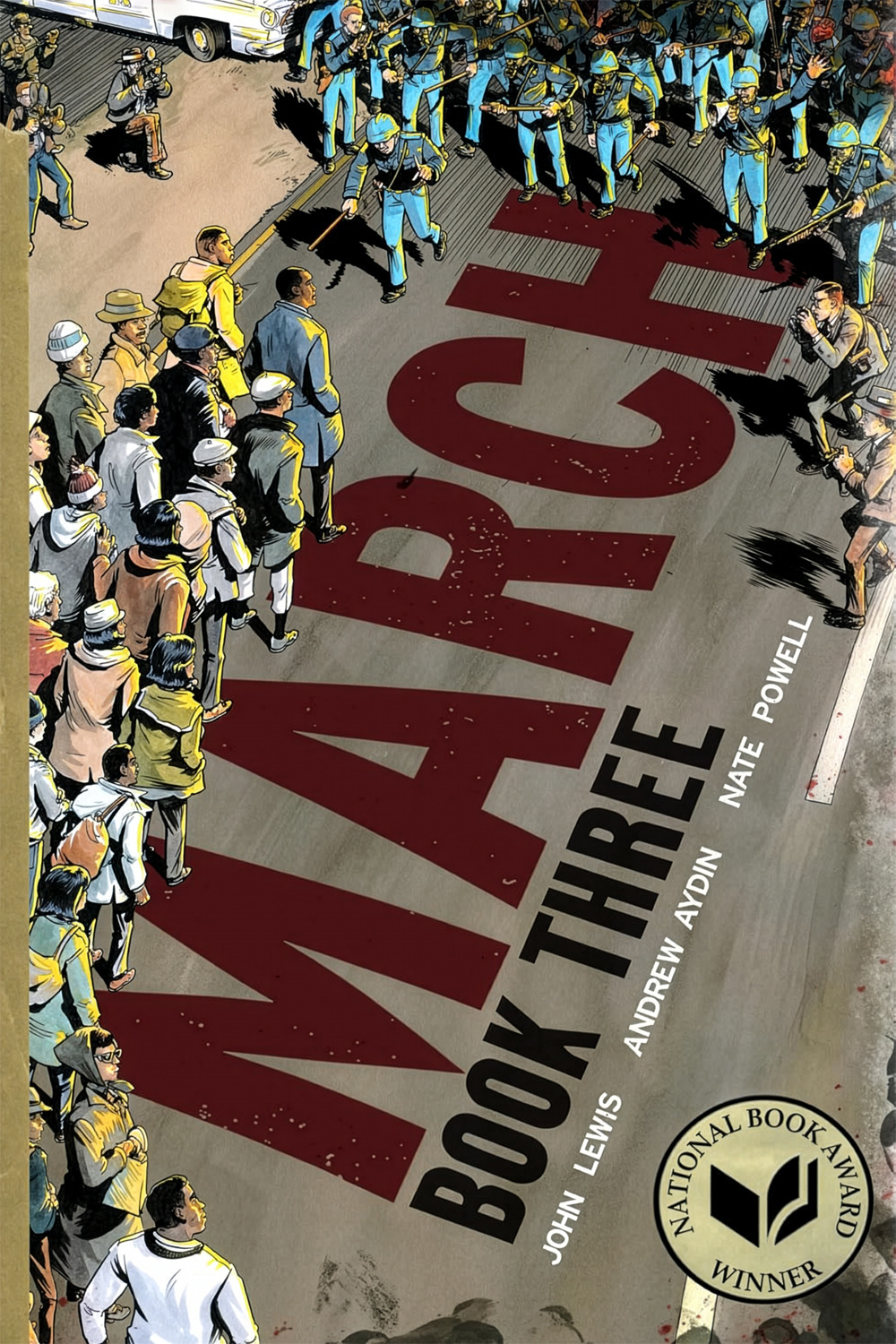
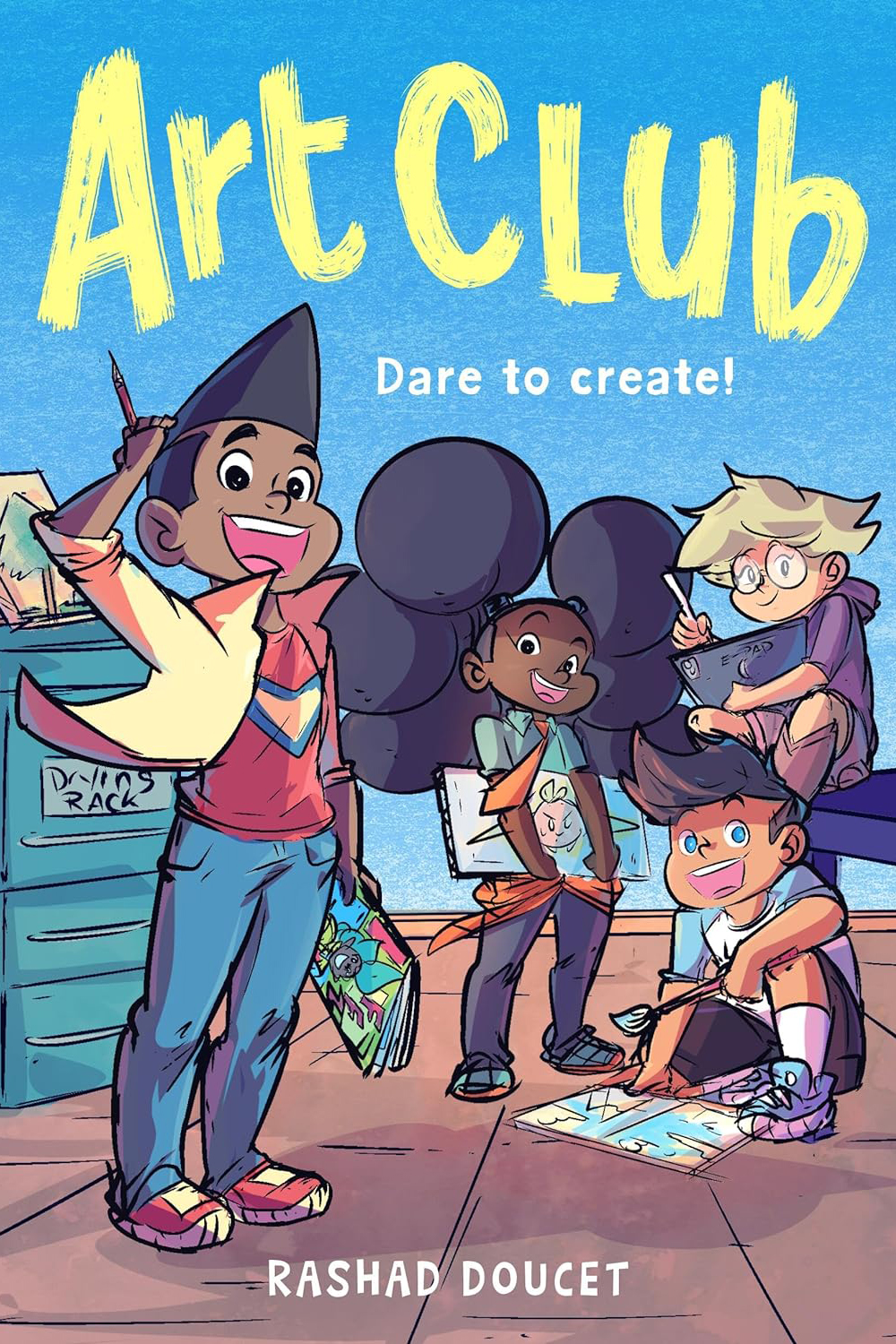
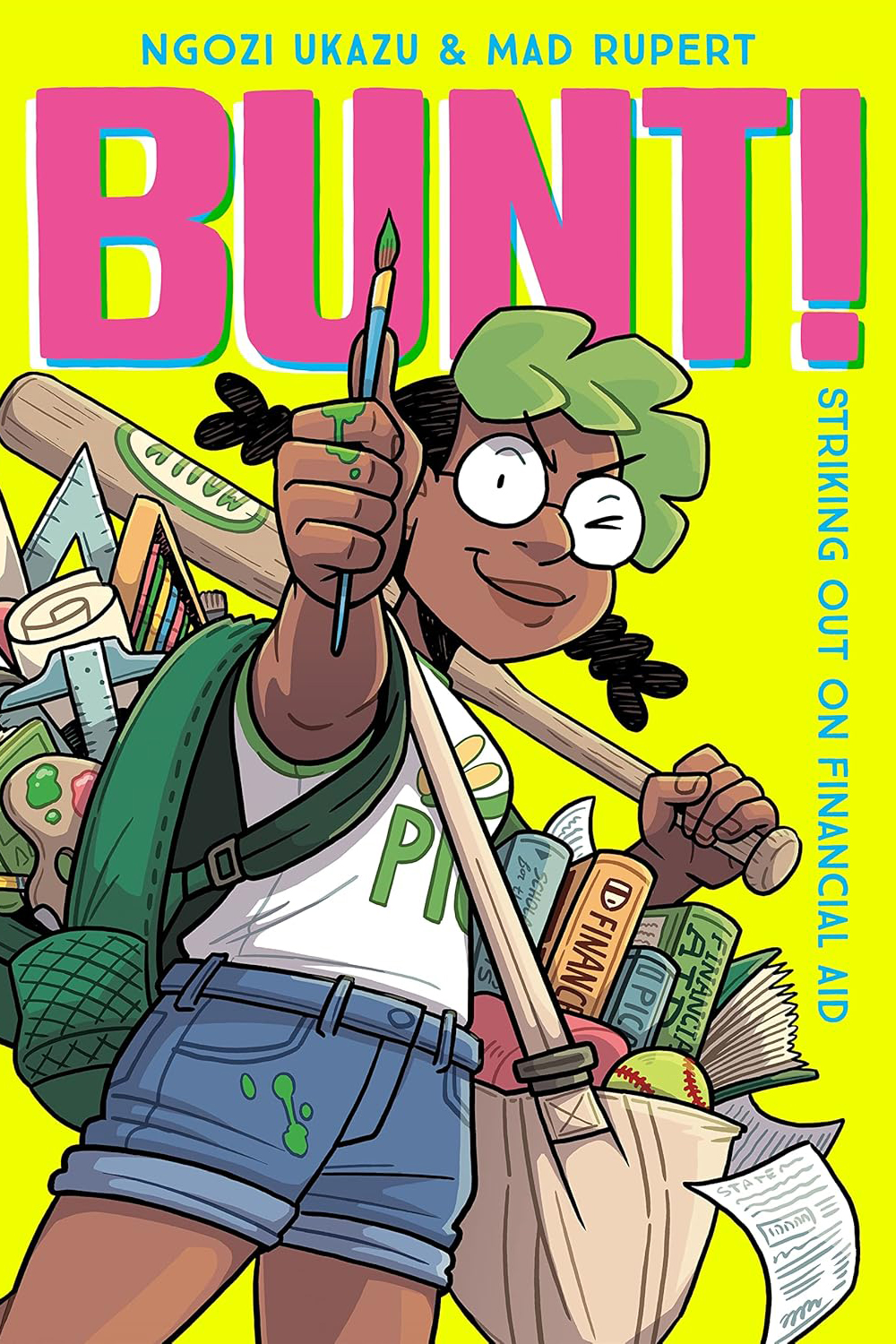
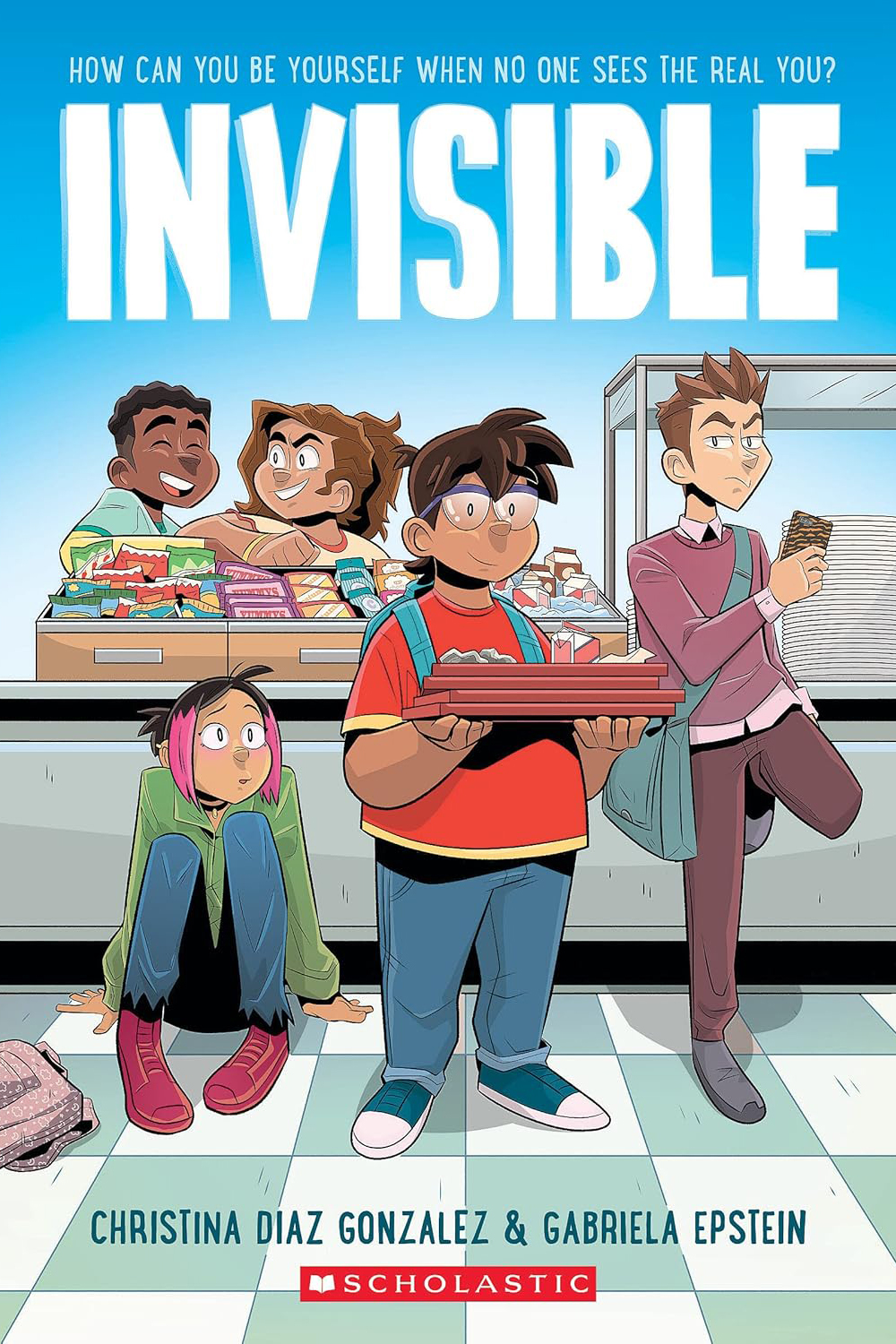
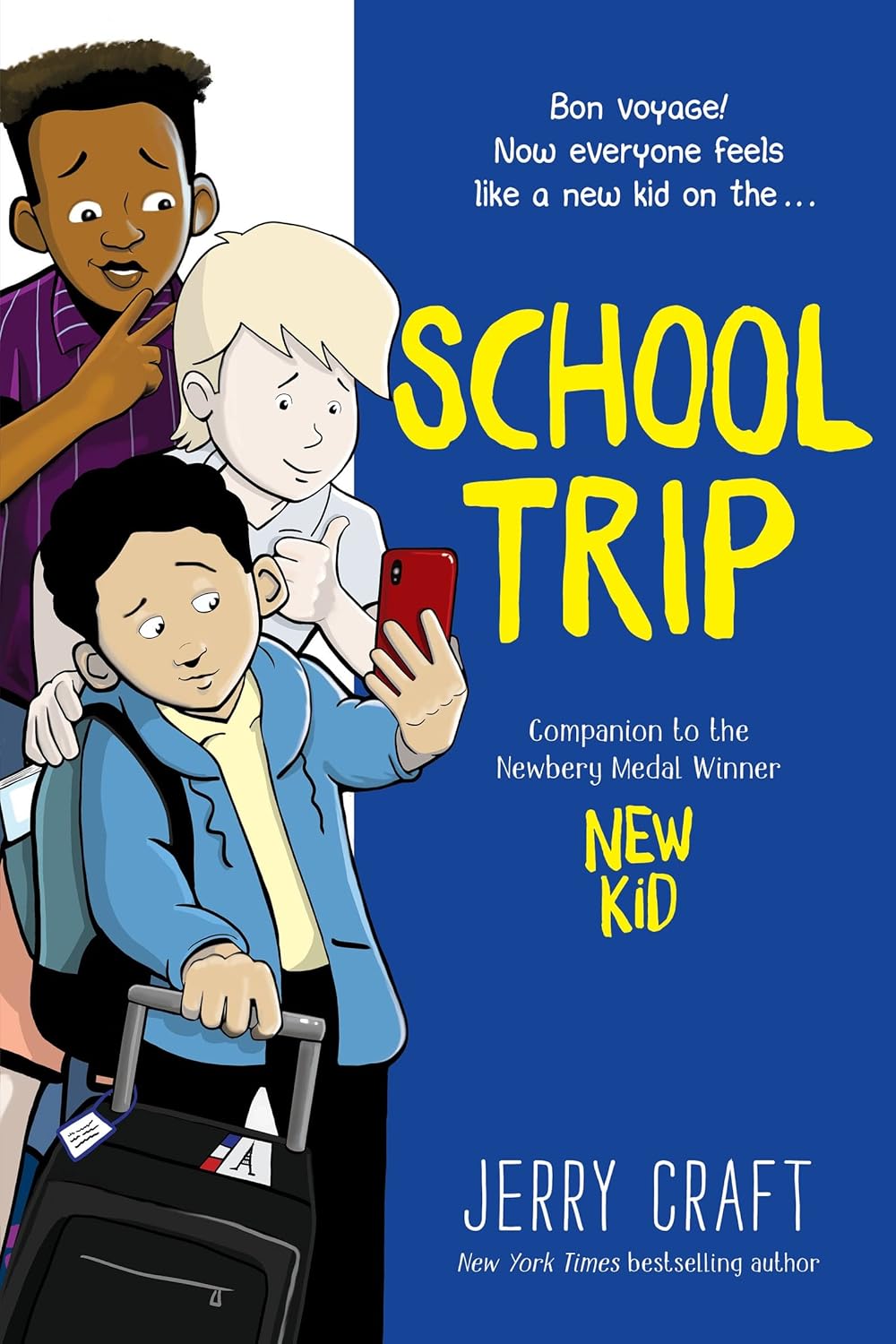
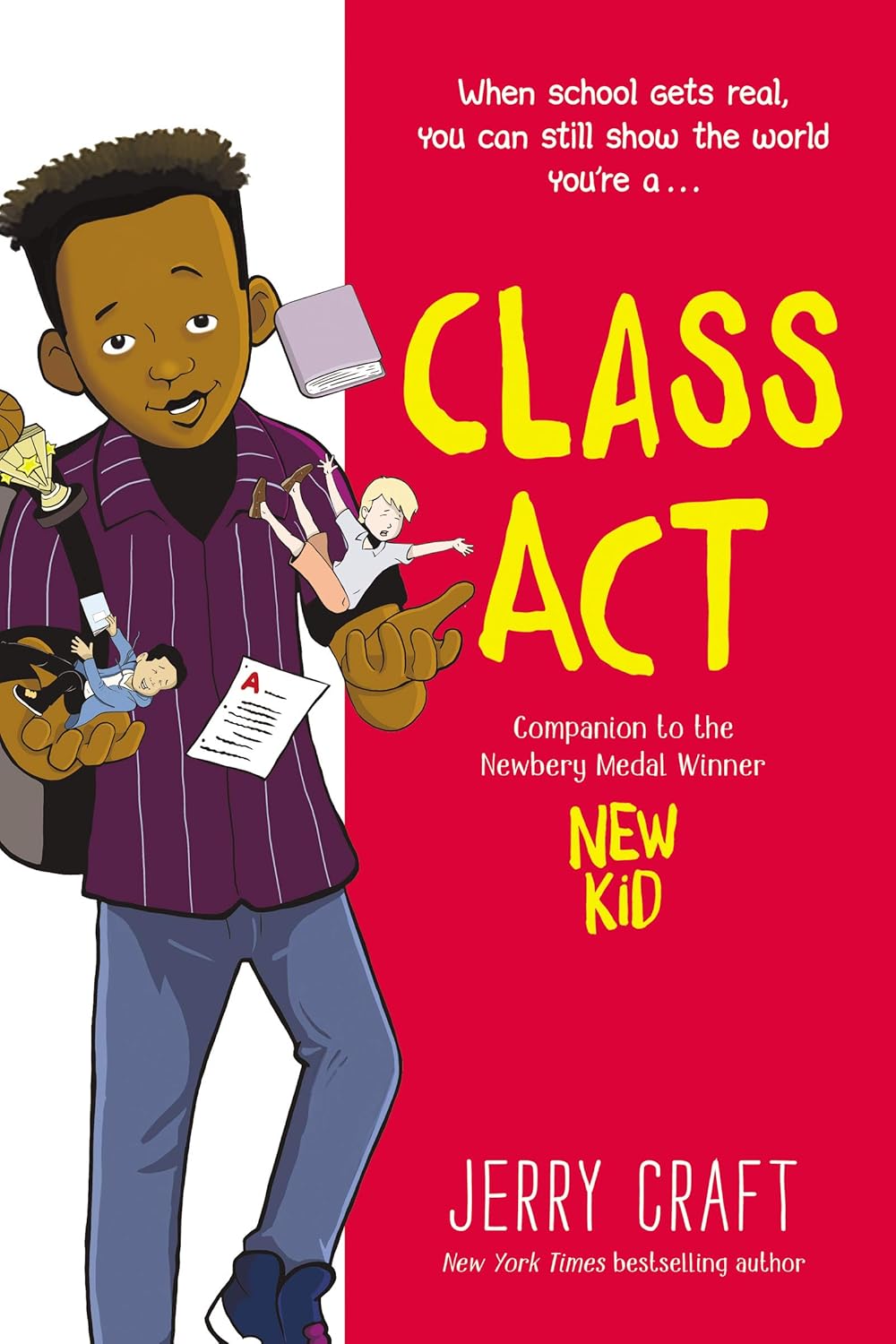
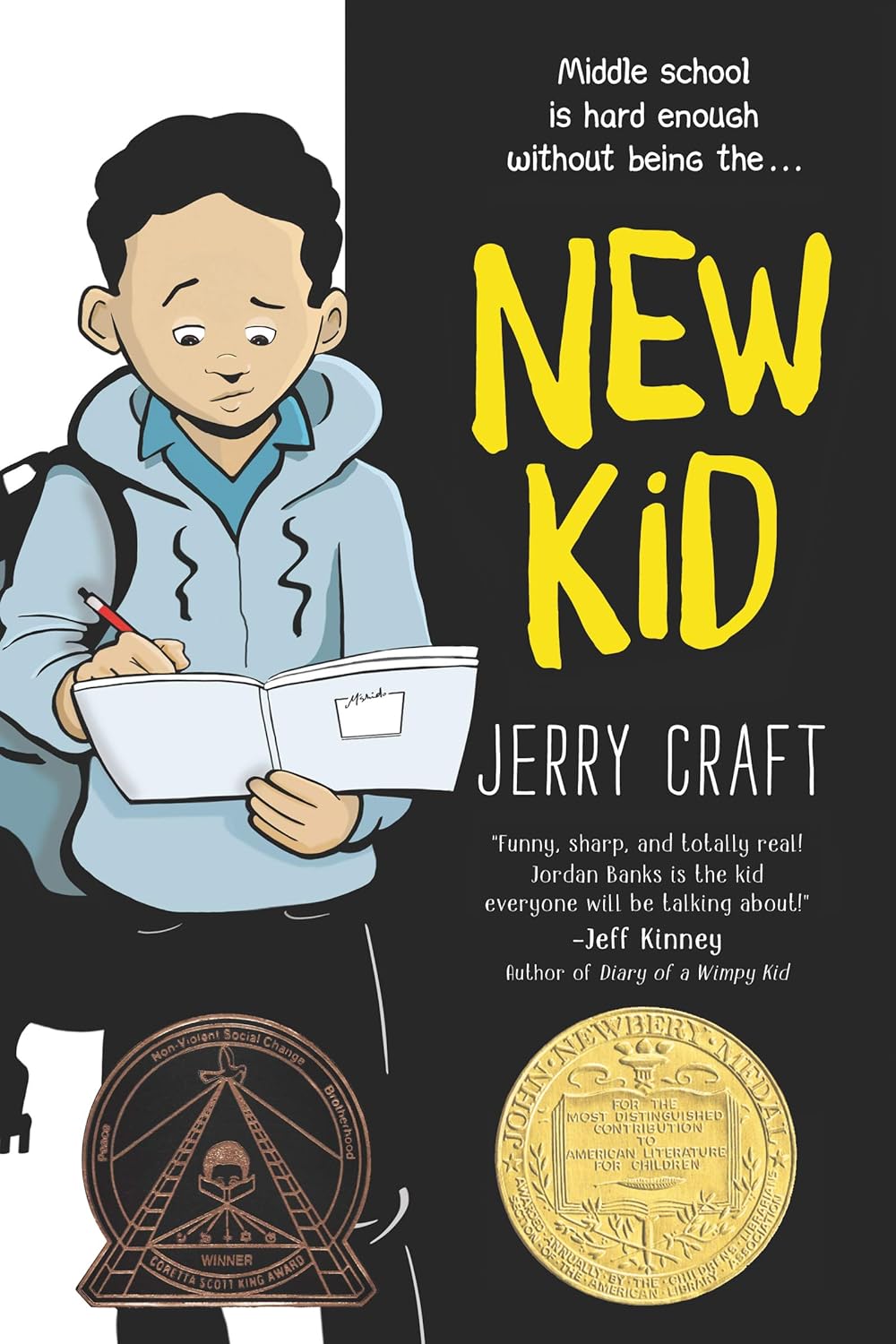
Graphic novels tell stories through a powerful union of image and text, allowing emotion, movement, and meaning to unfold visually. This format transcends age and reading level, inviting readers into narratives that feel immediate, expressive, and deeply human.
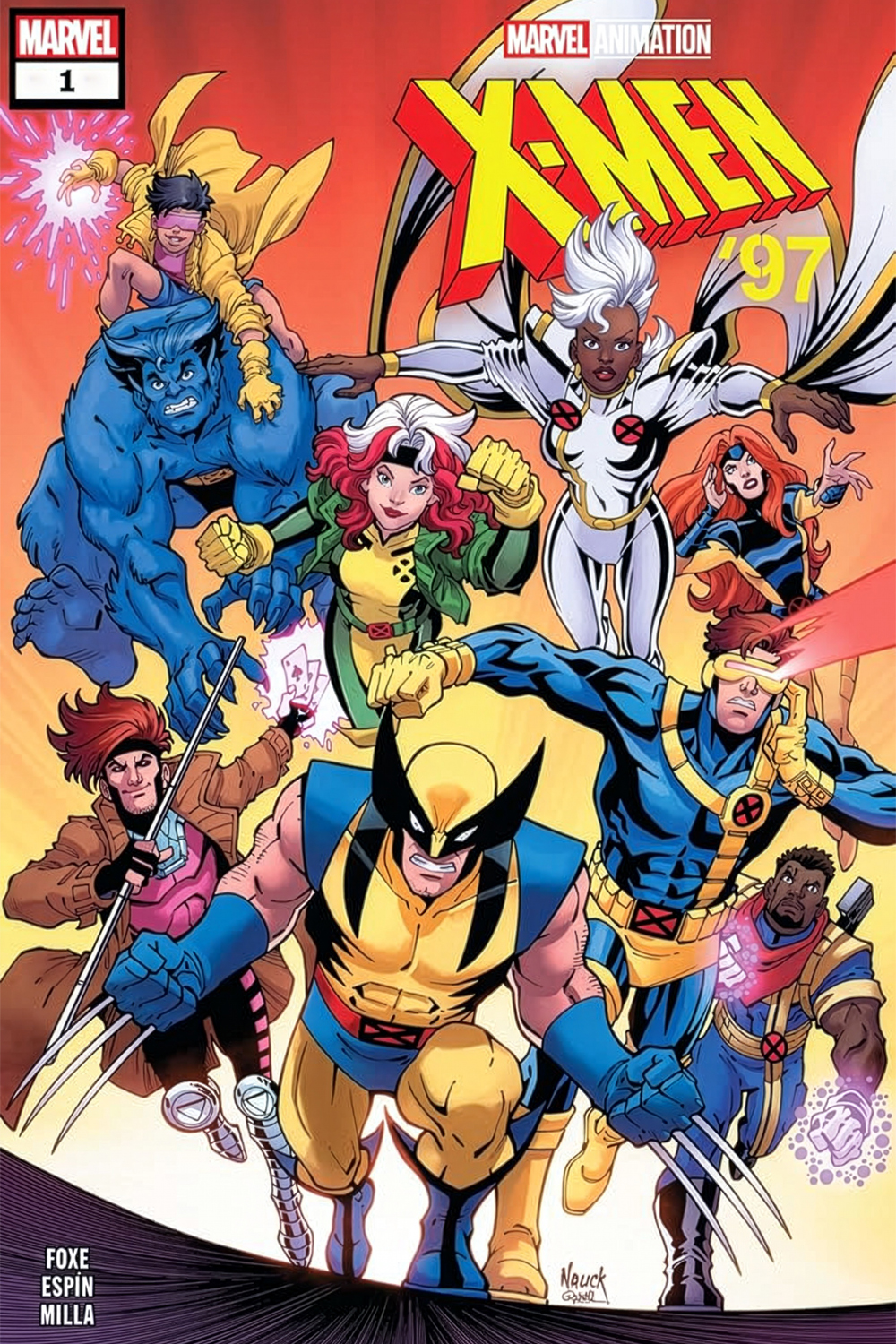
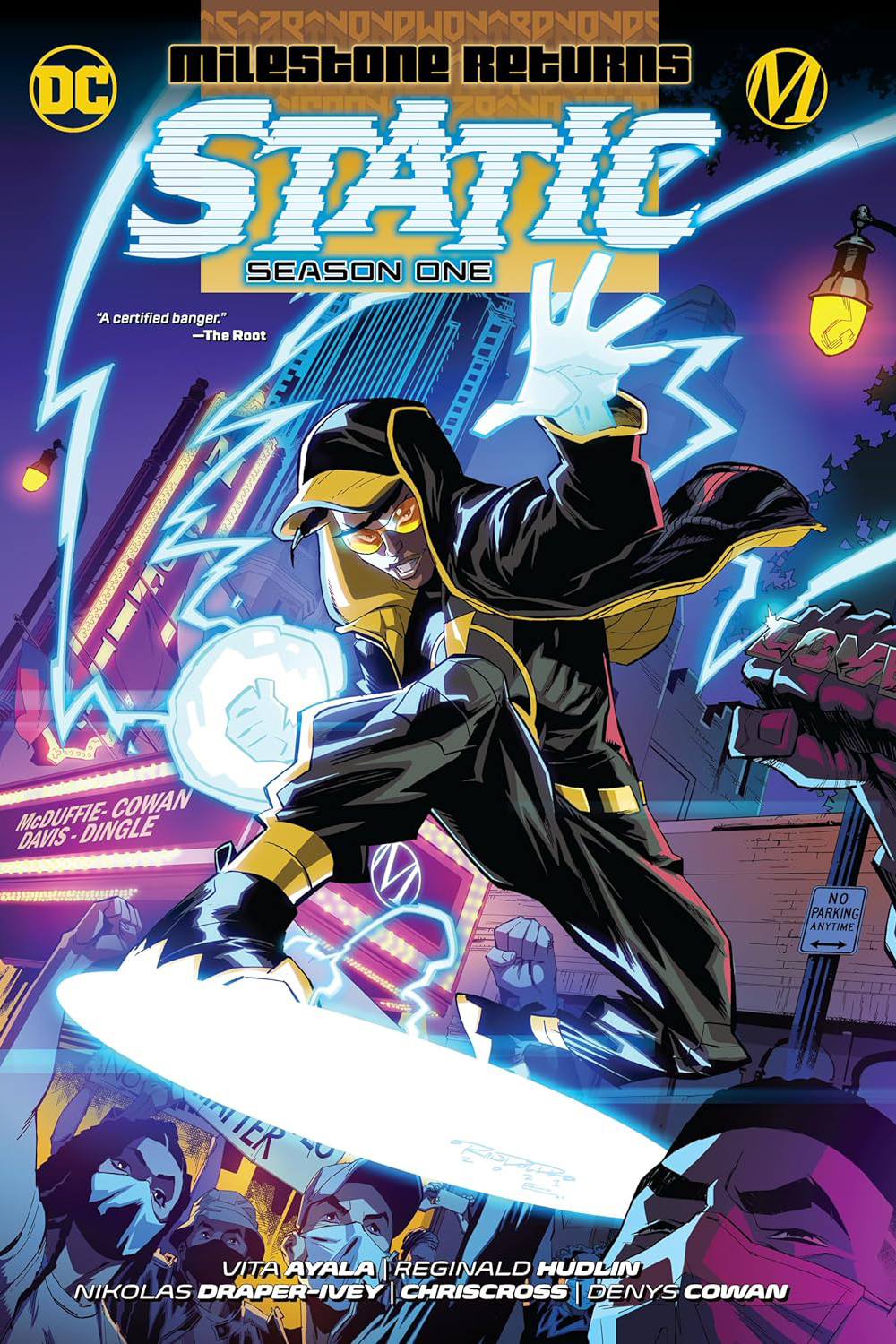
Across genres and cultures, graphic novels capture moments that linger. Every panel adds rhythm and depth, transforming stories into experiences that stay with the reader long after the final page. 

Stories Told Visually
Voices Drawn From Many Worlds

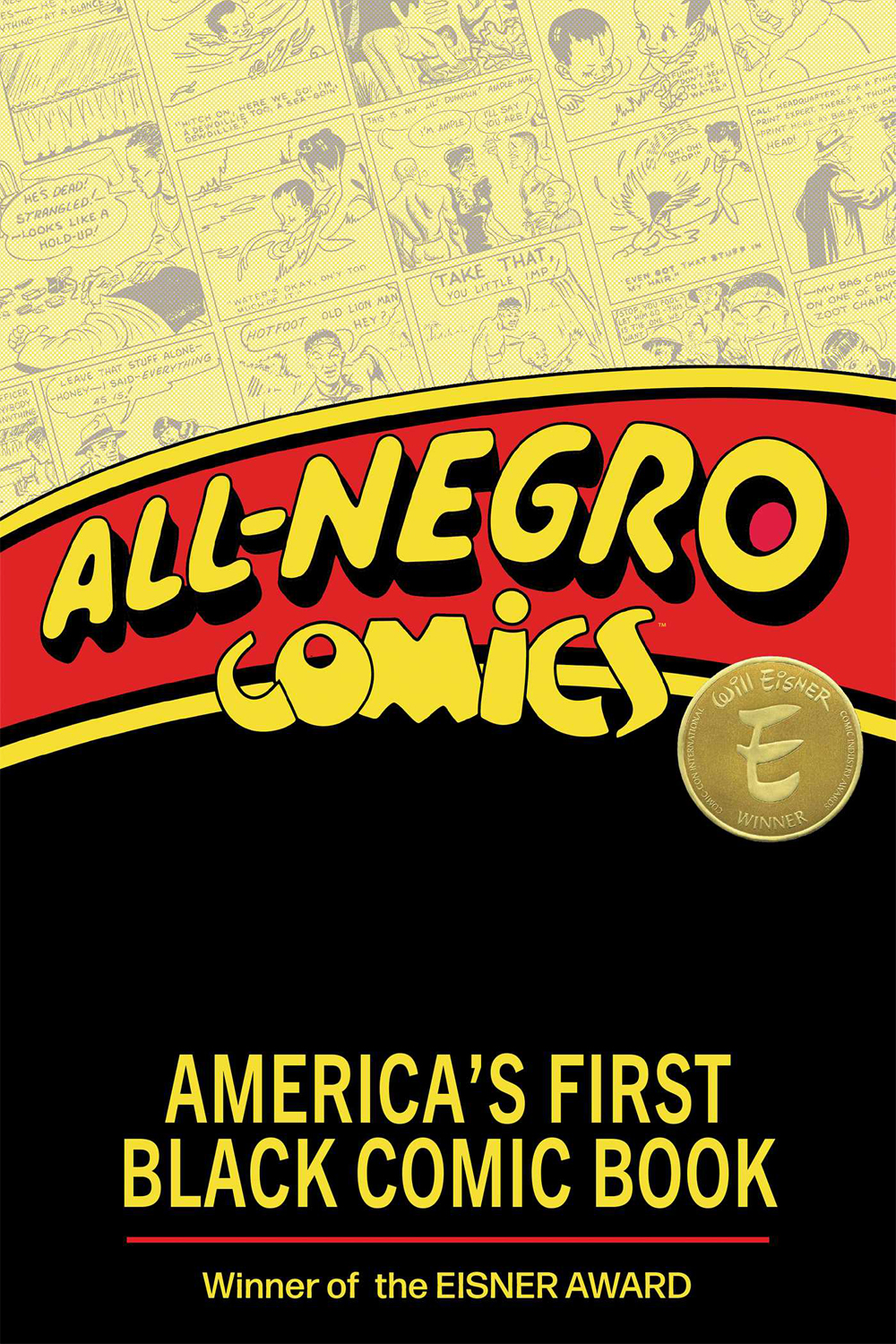
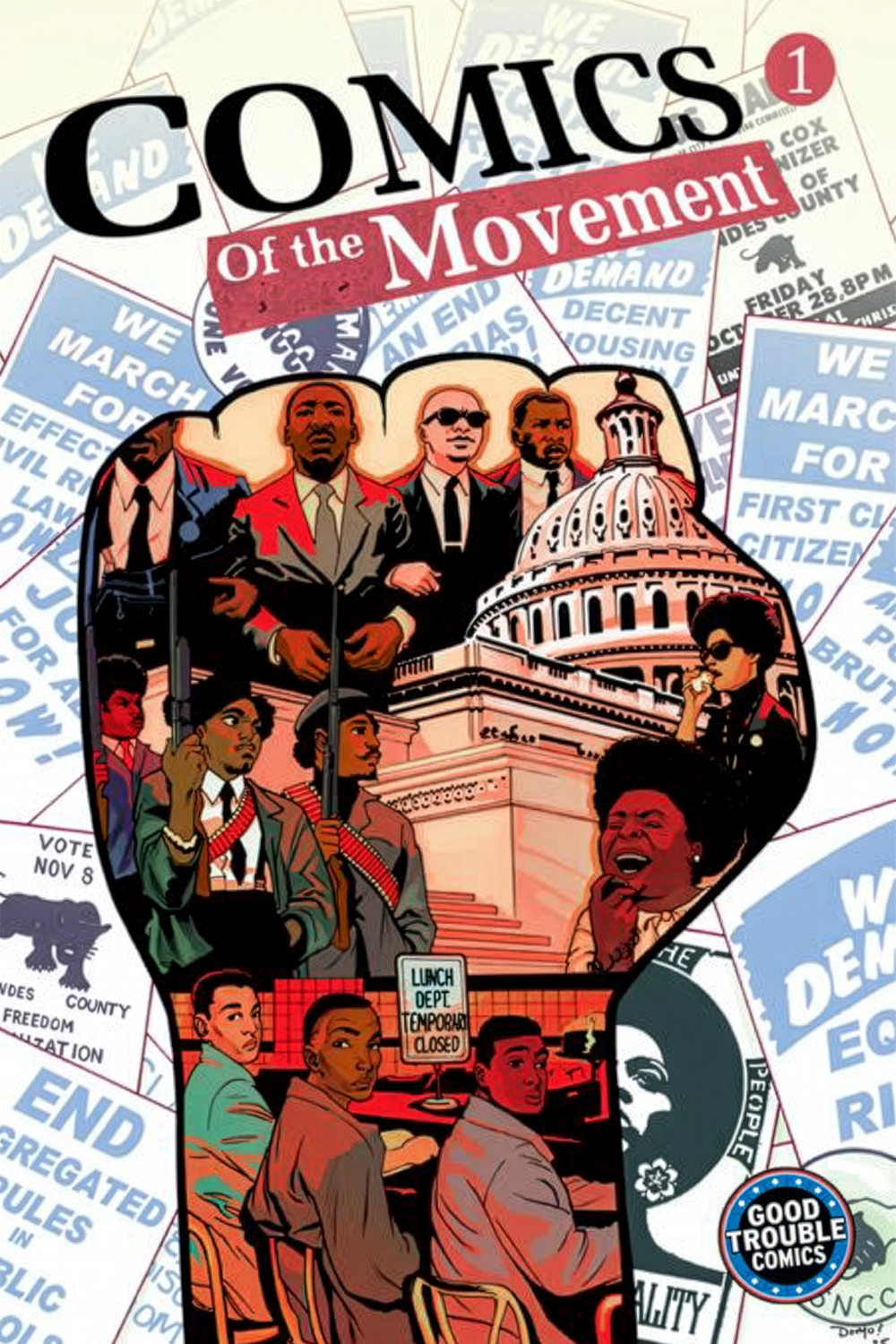
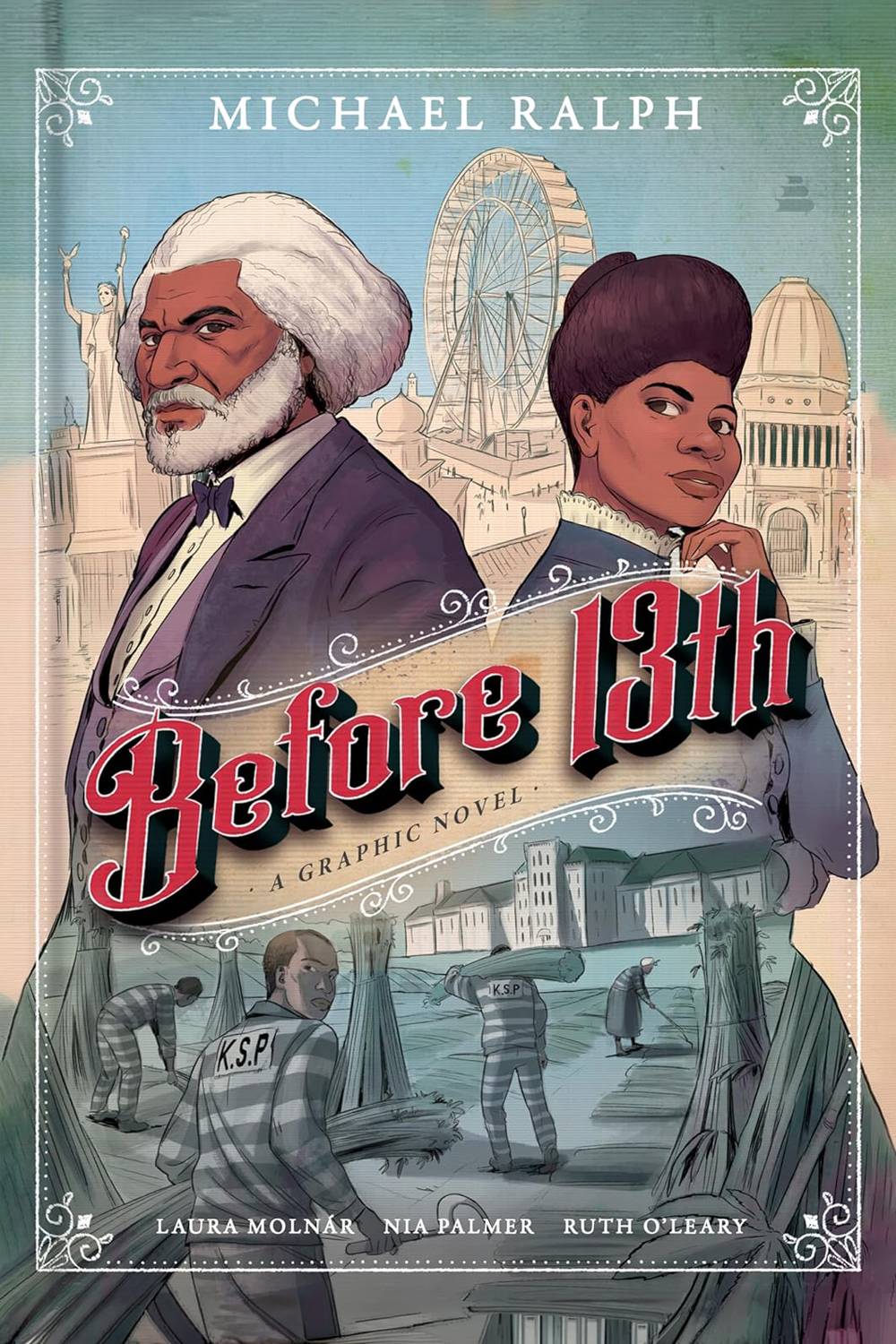
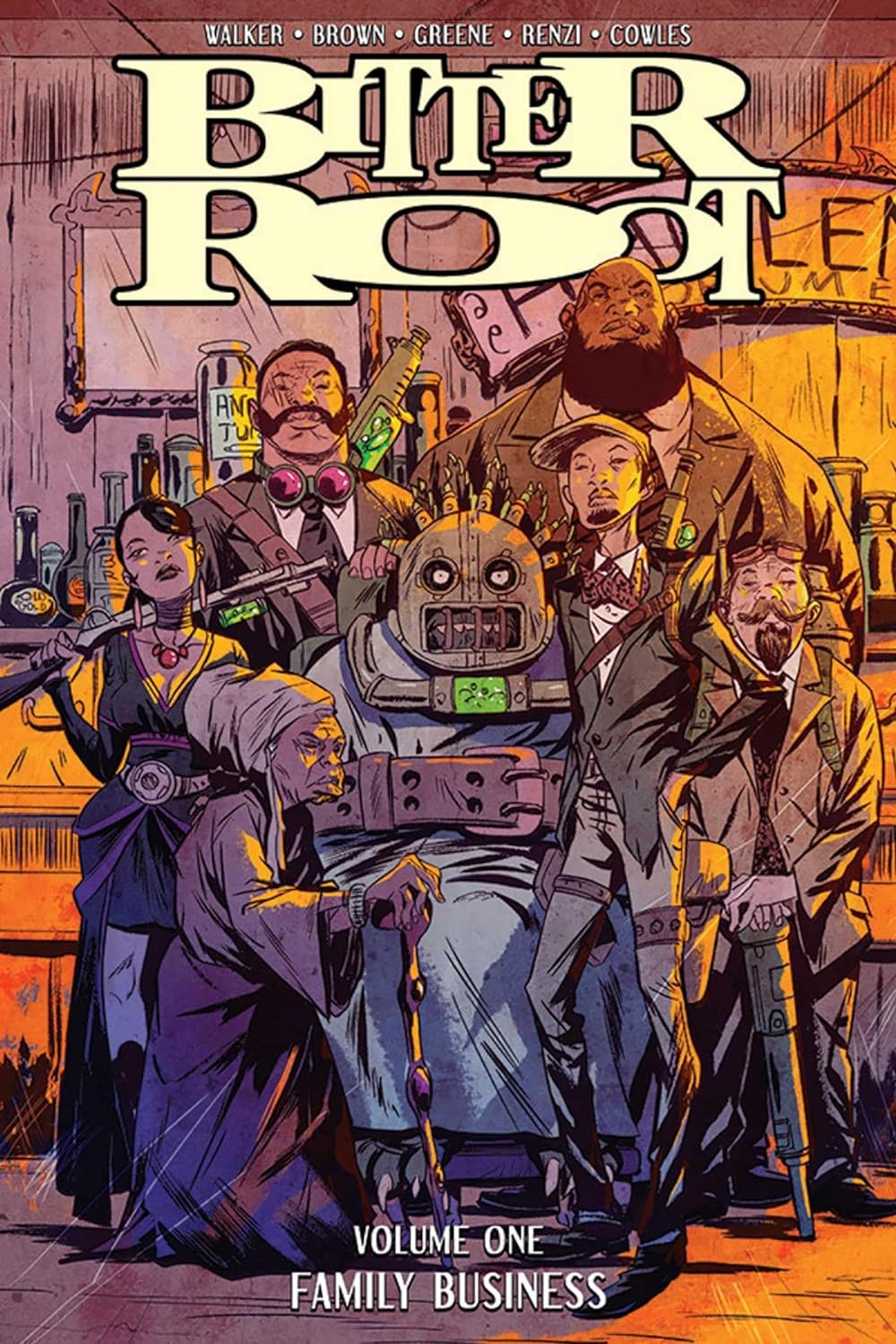
Graphic novels have become a vital platform for diverse creators to share stories rooted in culture, identity, and lived experience. Through distinct artistic styles and narrative approaches, these works reflect perspectives often absent from traditional formats.

By bringing these voices forward, the collection expands what stories can look like and who gets to tell them. Each title contributes to a richer, more inclusive literary landscape shaped through illustration. 

Story, Style, and Substance

The graphic novel format allows creators to experiment with structure, pacing, and visual symbolism in ways unique to the medium. Art direction becomes part of the storytelling, shaping tone, emotion, and meaning with intention.

From memory to fantasy, these books balance creativity with depth. They challenge assumptions about the format while proving that illustrated stories can carry just as much weight as prose.

Author Spotlight

Marjane Satrapi’s Persepolis is a powerful graphic memoir that chronicles her childhood growing up in Iran during and after the Islamic Revolution. Through stark black-and-white illustrations, Satrapi captures personal loss, political upheaval, and the resilience of identity under oppression.

Widely celebrated for its honesty and clarity, Persepolis introduced many readers to Middle Eastern perspectives through the graphic novel form. Satrapi’s work demonstrates how visual storytelling can communicate complex history, cultural nuance, and emotional truth with striking impact.  

Some stories are best told in lines, color, and quiet moments between panels.

Some stories are best told in lines, color, and quiet moments between panels.

You may also like​
Stories That Build Confidence, Curiosity, and Independence.